

Perforated Metal Sheet
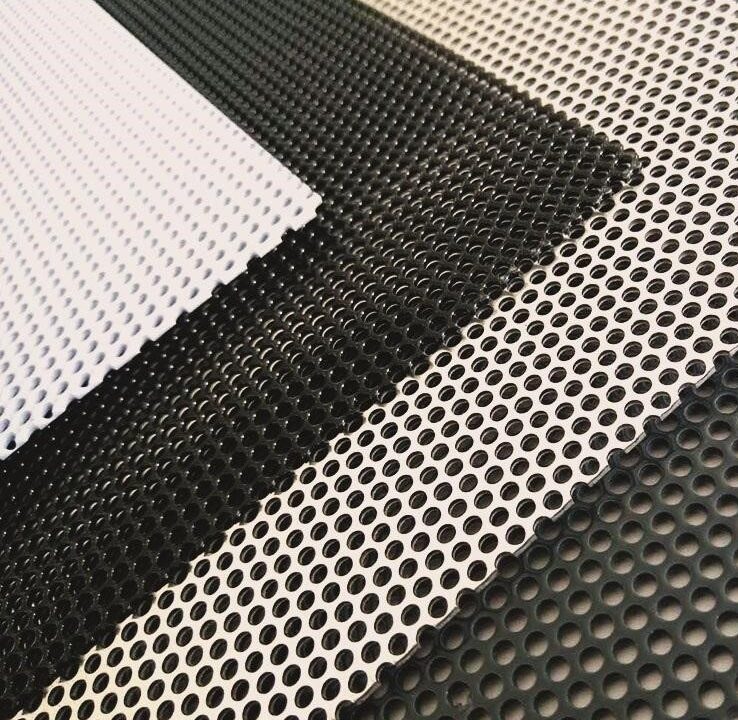
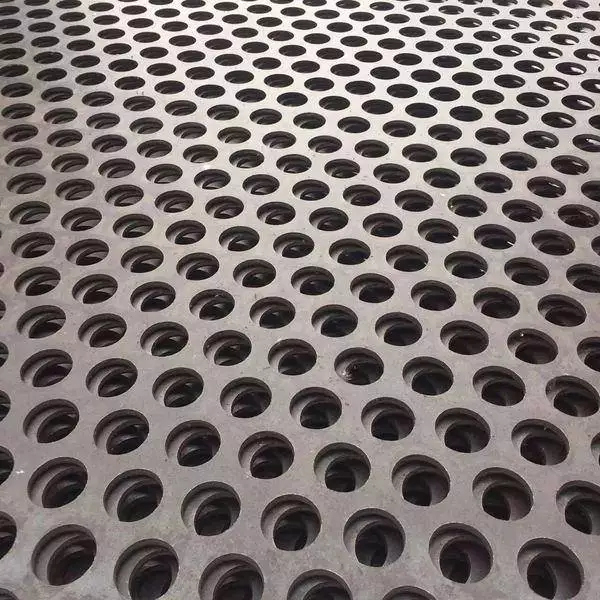
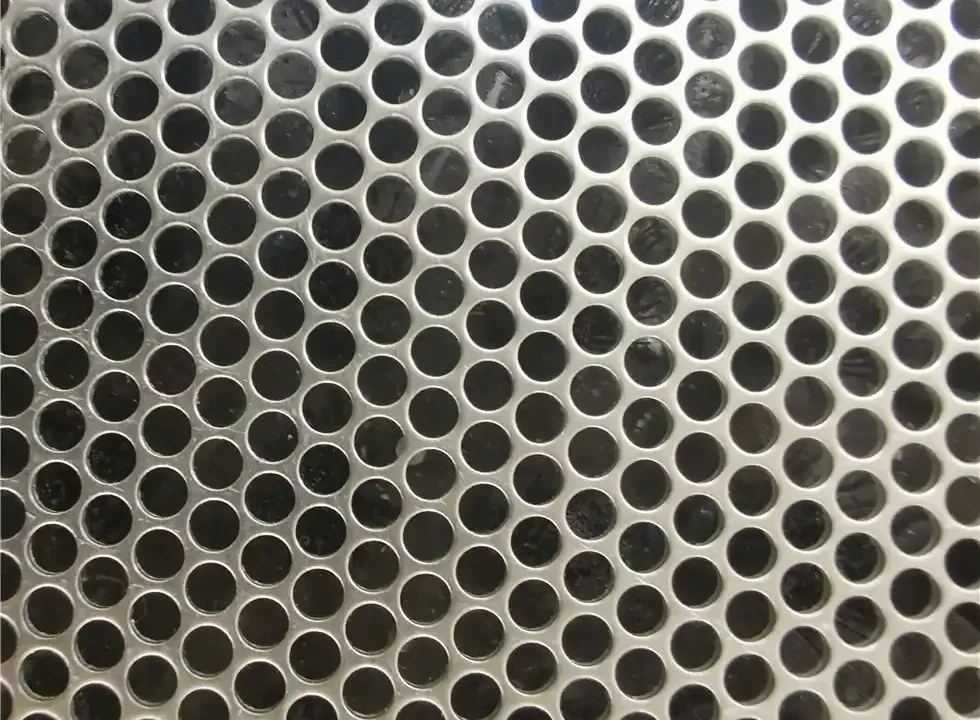
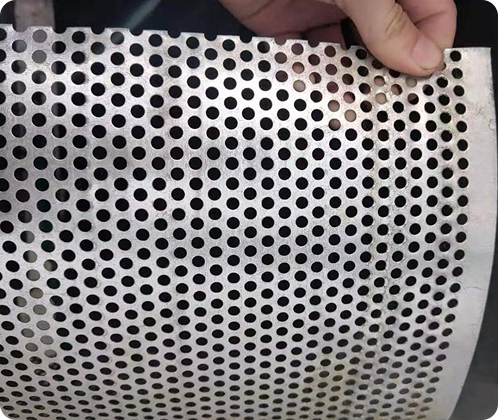
Perforated metal sheet, also known as perforated plate or porous screen plate, is a monolithic mesh panel fabricated from metal flat or rolled sheets through CNC press die stamping and laser cutting to create a regular array of holes. Unlike woven wire mesh, this panel features no broken wires, superior integrity, and enhanced load-bearing capacity along with structural stability.
Main substrate classifications
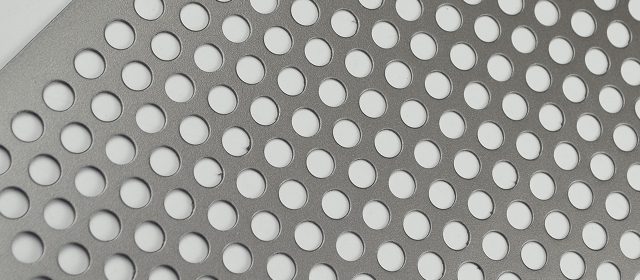
Stainless steel perforated mesh (key raw material for deep processing): –304: Standard grade, resistant to fresh water and weak acids; suitable for food machinery, interior protection, and decoration, offering the best cost-performance ratio; –316L: Contains molybdenum; resistant to chloride ions, seawater, and chemical acids/bases; specialized for pharmaceutical applications, marine equipment, and corrosive environments; –201/430: Low-cost grade, suitable only for dry interior decoration with limited rust resistance; –Special alloys: 2205 duplex steel and titanium plates, designed for strong corrosion resistance, high temperatures, and marine-specific applications.
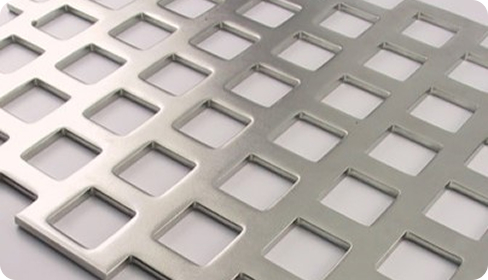
Other commonly used materials include galvanized iron sheets, aluminum sheets, copper sheets, and low-carbon steel plates, which are primarily employed for sound barriers, exterior wall decoration, and general protection applications. Hole types, arrangement, and core specifications: 1. Common hole types include round holes (the most prevalent), elongated slots, square holes, hexagonal holes, diamond-shaped holes, fish-scale holes, cross-shaped holes, and custom-patterned holes.
Arrangement types
Direct arrangement: ensures uniform ventilation and light transmission, commonly used for decorative applications and ventilation hoods; Irregular arrangement (plum blossom pattern): provides higher panel strength and superior noise reduction performance, serving as the preferred choice for screen panels and soundproofing panels.
General parameter range
Plate thickness: 0.1 mm – 15 mm; Hole diameter: 0.3 mm – 100 mm (for thin plates, the plate thickness may equal the micropore diameter); Opening rate: 10% – 80% – higher opening rates provide better ventilation but lower load-bearing capacity; Tolerance: CNC punching ±0.1 mm, laser cutting ±0.05 mm, offering higher precision.
Core production processes
CNC stamping – suitable for large-volume production of standard holes and thick plates, offering low cost and rapid delivery; Laser punching/cutting – ideal for custom-shaped holes, micro-holes, complex patterns, and small-batch customization; Subsequent deep processing includes leveling, bending, rounding, edge trimming, welding, stamping, polishing, spraying, and assembly (capable of manufacturing filter cartridges, mesh baskets, protective covers, and sieve discs); Surface treatments include brushing, mirror-electrolytic polishing, galvanizing, fluorocarbon spraying, and passivation.
Key Features of Perforated mesh
1. High overall strength: The entire plate is formed as a single unit, free from loose fibers and resistant to deformation, with significantly superior load-bearing performance compared to woven nets; 2. Controllable structure: Hole diameter, opening rate, and thickness can be freely adjusted to balance ventilation, filtration, and load-bearing requirements; 3. Durability and easy cleaning: The surface is flat and smooth with no hidden dirt areas, and easily washable after food-grade or pharmaceutical-grade polishing; 4. Multifunctional integration: Combines ventilation, filtration, sound insulation, protection, and decorative functions; 5. Suitable for deep processing: Can be bent, welded, or perforated. Introduction to Perforated Net (Perforated Plate/Through-hole Plate): Main Application Fields: 1. Industrial filtration and screening – grain and mineral screening plates, granulator screens, hydraulic filter plates, equipment fluid distribution plates, micro-porous filter pads.
2. Equipment protection components include: fan protective covers, motor guards, machine tool protective plates, chassis cooling fins, and speaker grille covers.
3. Environmental noise reduction solutions: sound barriers for highways/metro systems, acoustic insulation and sound-absorbing panels for server rooms, dust removal ventilation panels.
4. Food and pharmaceutical cleaning baskets, sterilization sieves, food cooling pads, and filtration support plates for pharmaceutical equipment.
5. Building decorative curtain wall facades, ceilings, partition screens, stair treads, and landscape decorative perforated panels.
6. Ventilation grids for municipal agricultural grain warehouses, water infiltration panels for sports fields, aquaculture bedding boards, and shelf ventilation partitions.
FAQ
Frequently Asked Questions (FAQ)
The primary difference lies in their structure. Perforated mesh is formed by stamping an entire plate, offering a seamless construction without wire dispersion, high strength, resistance to deformation, and excellent load-bearing performance; woven mesh, on the other hand, consists of interwoven metal wires, is softer, prone to edge wire dispersion, and suitable for fine filtration. In summary: perforated mesh is preferred for load-bearing, protection, screening, and sound insulation applications; woven mesh is ideal for fine filtration.
Stainless steel 304 covers general industrial, food-machinery and decorative duties; 316L is used where chlorides, seawater or chemicals are present; 201 and 430 suit dry interior decoration; galvanized, aluminium and copper sheets are used for sound barriers, cladding and general protection.
No. The panel is stamped or cut from a single sheet, so there are no wires to loosen or unravel. Edge quality depends on the punching or laser process and on any subsequent deburring, which is confirmed with you before production.
Contact Us
Request a Custom Quote
To provide a fast and accurate quotation, please provide the following information:
- Direct Factory Pricing
- Custom OEM Solutions
- Expert Technical Guidance
Fill the form
No spam. Your information is 100% safe · Fast response within 24 hours.