

Stainless Steel Woven Wire Mesh
For Industrial Filtration, Screening & Separation
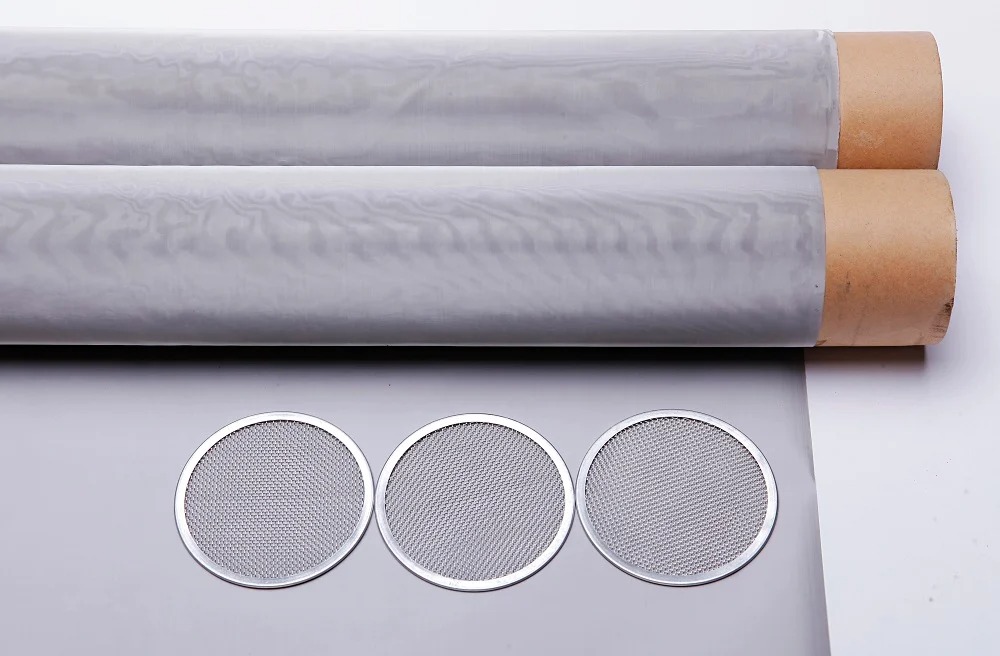
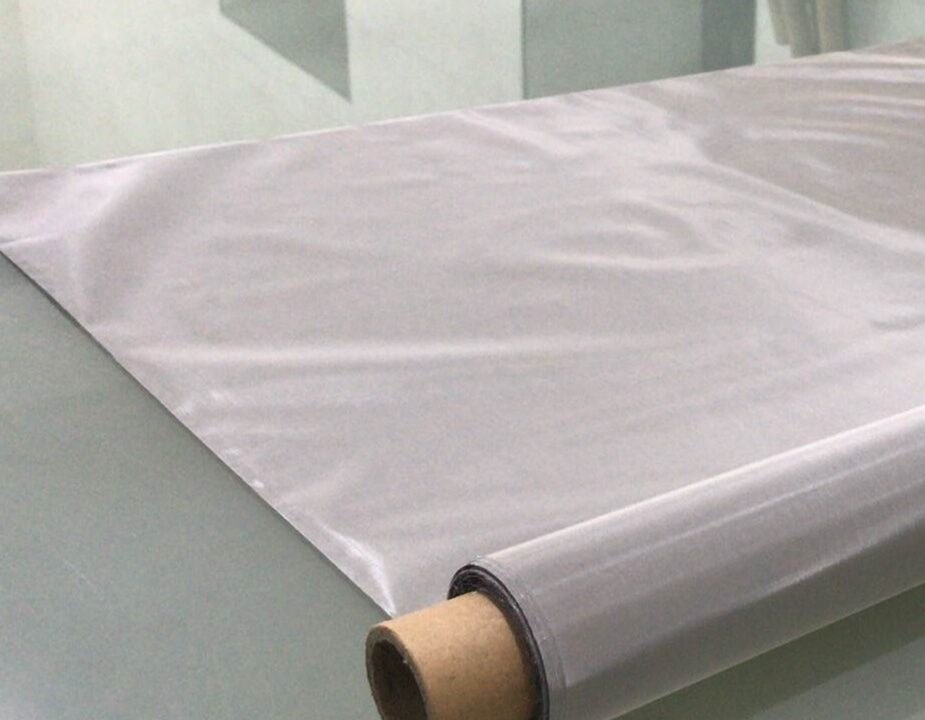
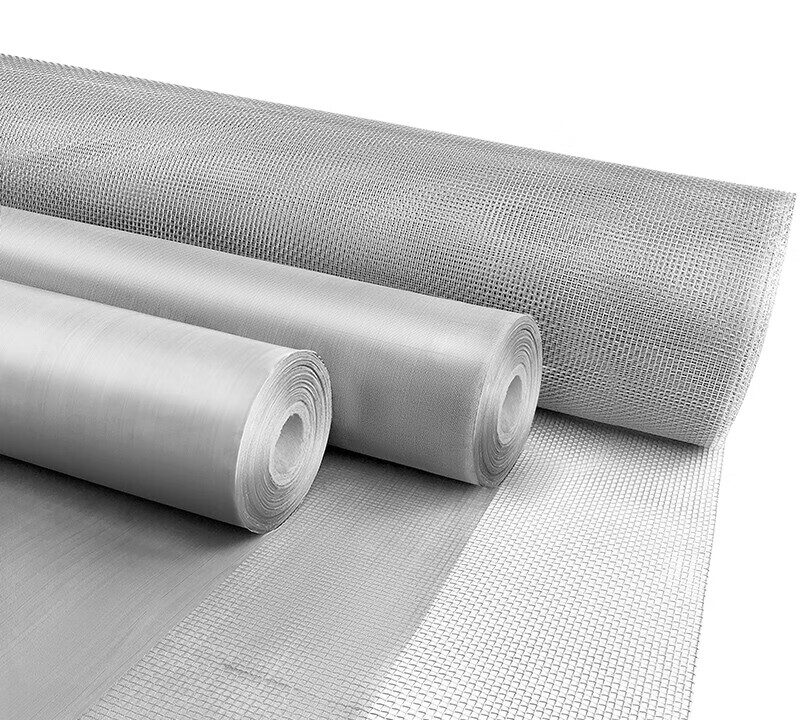
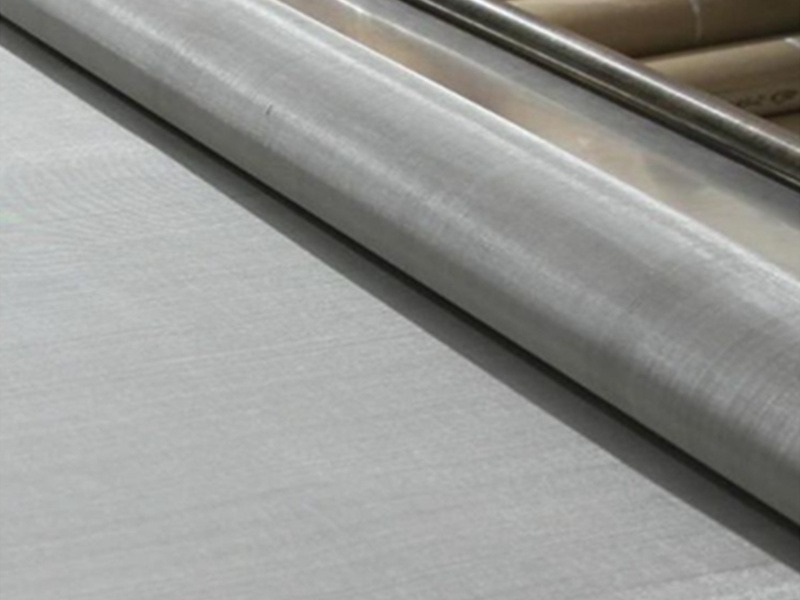
Stainless steel woven wire mesh is manufactured from stainless steel wire using plain or twill weaving. Available in grades such as 304, 304L, 316 and 316L, it provides stable openings, good corrosion resistance and reliable performance for industrial filtration, screening and separation. The mesh can be supplied in rolls, sheets, strips or custom-cut sizes according to customer specifications.
201 / 304 / 304L / 316 / 316L
Plain & Twill Weave · Rolls & Sheets · Custom Sizes
Key Technical Specifications
| Mesh Count (Mesh) | The primary selection criterion, indicating the number of mesh openings per inch (25.4 mm) range |
| Standard range | 2 to 635 mesh |
| Coarse Filter | 2–50 mesh (hole diameter approximately 11.9 mm to 0.3 mm) |
| Medium Filter | 50–200 mesh (hole diameter approximately 0.3 mm to 0.075 mm) |
| Fine Filter | 200–635 mesh (hole diameter approximately 75 μm to 20 μm) |
| Wire Diameter | 0.02 mm to 8 mm – thicker wires offer higher strength |
| Filtration Precision | Capable of achieving precise filtration from millimeter to 20 μm levels |
| Compliance Standards | GB/T 5330-2018, ASTM E2016, ISO 9044 |
Main Materials
| Material | Characteristics | Application Scenarios |
|---|---|---|
| 304 | Most cost-effective with excellent corrosion and heat resistance | suitable for general filtration applications in food and pharmaceutical industries |
| 304L | Low-carbon variant with improved weldability | ideal for applications requiring welding |
| 316 | Contains molybdenum for enhanced corrosion resistance, particularly against chloride corrosion | used in chemical, marine, and highly corrosive environments |
| 316L | Low-carbon variant of 316 | Exhibits excellent resistance to intergranular corrosion, making it ideal for high-end chemical, pharmaceutical, and food processing applications |
| 310S/2520 | High temperature resistant (up to 1000°C and above) | Suitable for high-temperature filtration applications |
Applications
- Industrial Filtration
- Mining Screening
- Liquid Filtration
- Pest & Rodent Control
- Food & Beverage Filtration
- Ventilation
- Fencing, Caging & Enclosures
- Agricultural Machinery, Feed & Fertilizer Industries
- Metal Wire Meshes for Architecture & Design
Manufacturing Processes
| Plain weave | Most commonly used, with square and uniform mesh openings, highly versatile |
| Twill weave | Higher strength, suitable for high-mesh fine filtration |
| Dutch weave | Layered weave structure, higher filtration accuracy, reaching the micron level |
| Crimped weave | Coarse filaments, large pore size, used for heavy-duty screening |
Comparison results for heavy-duty screening of different materials
| Material | Temperature Resistance Guide | Tensile Strength | Core Advantages | Typical Applications |
|---|---|---|---|---|
| 201 | -196–600°C | 520–720 MPa | Lowest cost | Indoor drying environments, general screening, construction mortar filtration |
| 304 | -196–800°C | 520–750 MPa | Best cost-performance ratio | Food processing, pharmaceuticals, water treatment, general industrial filtration |
| 304L | -196–800°C | 480–680 MPa | Low carbon content | Required for welded filter components, chemical pipelines |
| 316 | -196–850°C | 530–760 MPa | Mo-containing alloy | Seawater treatment, chemicals, dyes, papermaking, coastal environments |
| 316L | -196–850°C | 490–690 MPa | Intergranular corrosion resistant | Advanced chemicals, pharmaceuticals, food processing, chloride-containing environments |
| 310S/2520 | -196–1150°C | 520–730 MPa | Ultra-high temperature resistant | High-temperature furnaces, incinerators, heat treatment industries |
Note: The temperature is given as a reference for low-load conditions; the material must not be subjected to prolonged stress at peak temperatures. The tensile strength is measured at room temperature for annealed monofilaments; the strength of the finished mesh depends on the wire diameter, mesh count and weaving method. These parameters are provided for reference only.
Comparison results by mesh size
| Mesh count range | Representative mesh count | Filtration accuracy level | Typical Applications |
|---|---|---|---|
| Coarse filtration stage (2-50 mesh) | 10 mesh, 20 mesh, 30 mesh, 50 mesh | Millimeter-sized large particles | Construction mortar screening, mineral screening, large particle capture, wastewater preliminary filtration, honey filtration |
| Medium Grade (50~200 mesh) | 80 mesh, 100 mesh, 120 mesh, 150 mesh, 200 mesh | 150-75 micrometers | Edible oil filtration, paint screening, fruit juice and beverage processing, pesticide filtration, tap water pretreatment, and traditional Chinese medicine residue separation. |
| Fine filtration grade (200-400 mesh) | 250 mesh, 300 mesh, 350 mesh, 400 mesh | 63-38 micrometers | Fine chemicals, pharmaceutical intermediates, ink filtration, wine clarification, wastewater treatment filtration, hydraulic oil |
| Ultra-filtered (400-635 mesh) | 450 mesh, 500 mesh, 600 mesh, 635 mesh | 31-20 micrometers | Semiconductor ultrapure water, precision pharmaceutical solutions, biological agents, nanomaterials, aviation fuel, high-purity gases |
FAQ
Frequently Asked Questions (FAQ)
Stainless steel filter screens are filtration and screening components manufactured from stainless steel wires such as 304 and 316L, produced through precision weaving and welding processes. They are widely used in industries including mining screening, petrochemical filtration, food and beverage processing, water treatment, construction mortar filtration, pharmaceuticals, and automotive filters, serving applications ranging from solid-liquid separation and particle grading to gas purification and protective isolation.
Mesh count is the number of openings across one inch (25.4 mm). The opening itself is the inch divided by the count, less the wire diameter — so for the same count a thicker wire gives a smaller opening. As a guide: 2–50 mesh is roughly 11.9 mm down to 0.3 mm, 50–200 mesh is 0.3 mm to 0.075 mm, and 200–635 mesh is 75 μm to 20 μm. Specify the count and the wire diameter together, because either alone does not fix the aperture.
Yes. Mesh count from 2 to 635, wire diameter from 0.02 mm to 8 mm, the weave (plain, twill, Dutch or crimped) and the material grade are all specified per order, and rolls are cut to length or supplied as pre-cut sheets and discs. Minimum order depends on whether the specification is a stock one or has to be woven — send the working condition, the medium and the quantity and we will confirm both the minimum and the lead time.
Stock specifications ship within 2 days. Custom weaves and deep-processed parts — edge-sealed discs, cartridges, sintered plates — run 3 to 7 working days depending on the process and the quantity. Expedited production and air freight are available on request; tell us the date you need it by and we will confirm what is achievable before the order is placed.
Contact Us
Request a Custom Quote
Provide your project details below. Our technical team will review your requirements and respond within 24 hours.
- Direct Factory Pricing
- Custom OEM Solutions
- Expert Technical Guidance
Fill the form
No spam. Your information is 100% safe · Fast response within 24 hours.