

Stainless Steel Security Screen Mesh
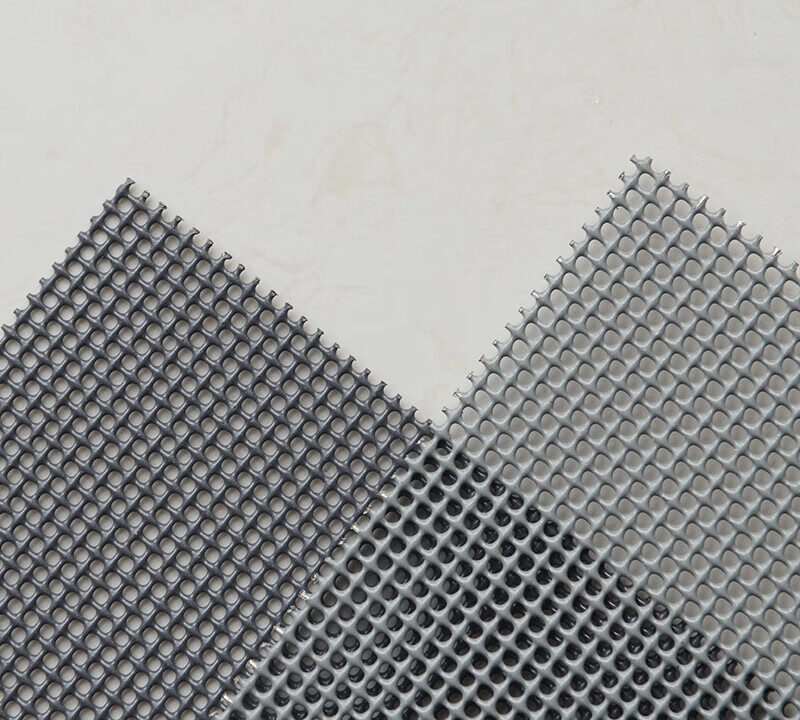
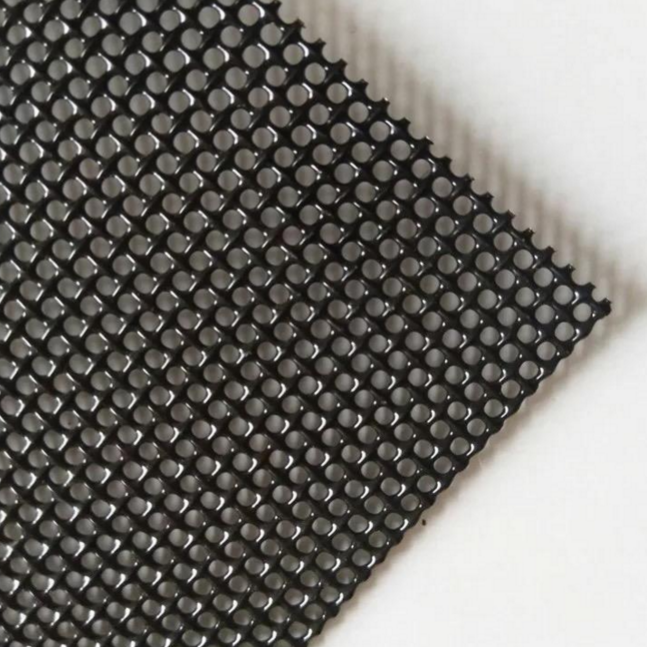
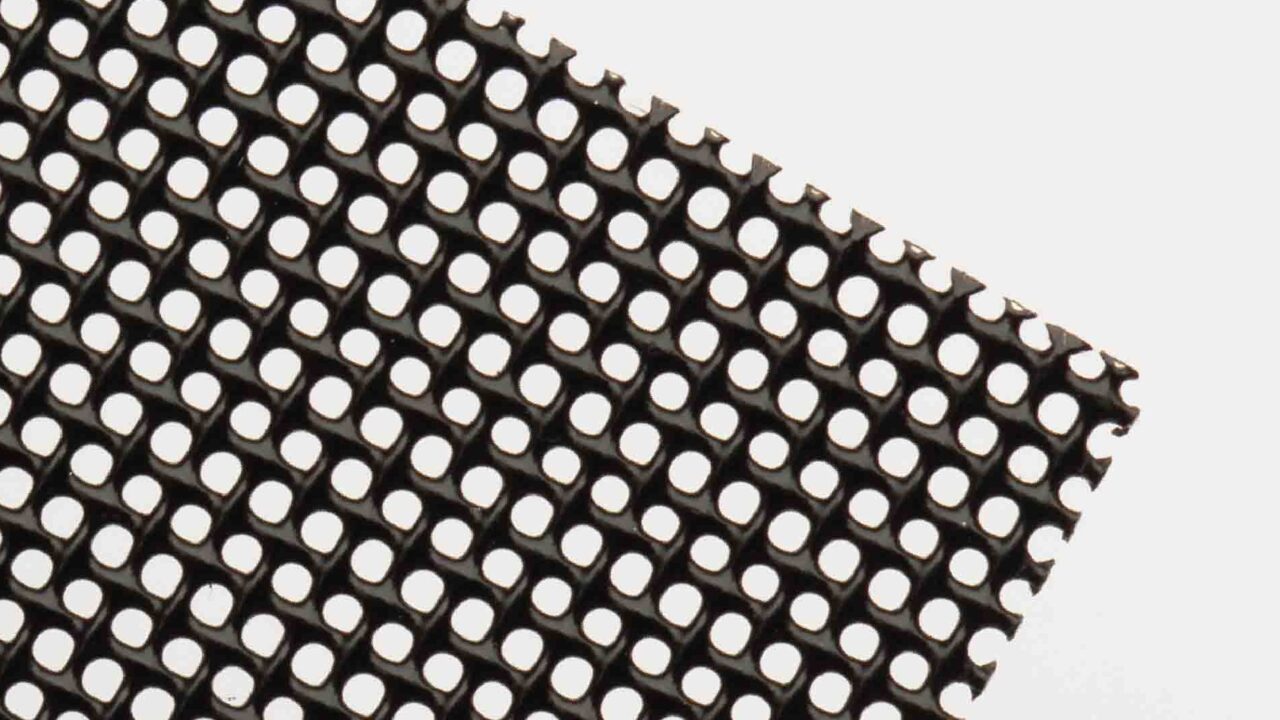
Stainless Steel Security Screen Mesh, also known as anti-theft mesh, safety protection mesh, or bulletproof mesh, is a heavy-duty stainless steel woven net manufactured from thickened stainless steel wires using either plain weaving or crimped weaving techniques on heavy-duty looms. It exhibits the rigidity of steel plates and features an anti-corrosion electrostatic spray coating. Primarily designed for use with aluminum alloy doors and windows, it serves as a discreet protective screen that combines multiple functions including theft prevention, mosquito control, fall protection, and ventilation, distinguishing itself from conventional thin nylon mesh.
Main Materials and Applications
304 stainless steel diamond mesh (market standard)
containing 8% nickel for stable rust resistance, suitable for indoor use and general residential doors/windows, resistant to rainwater and mild humidity, offering the best cost-performance ratio.
316/316L stainless steel diamond mesh
featuring high nickel content and low carbon levels, resistant to chloride ions, seawater, and acid/alkali corrosion. Specifically designed for coastal environments, chemical plants, and humid residential applications, with enhanced salt spray durability.
201 Stainless steel diamond mesh
low nickel content and affordable price, suitable only for short-term use in dry indoor environments. In coastal or rainy areas, it tends to rust and lose paint within 1–2 years; therefore, not recommended for long-term home applications.
Zinc-coated steel mesh
has the lowest cost but offers poor rust resistance, making it primarily used for temporary construction site protection and rarely employed in household doors and windows.
Core Specifications
Wire Diameter & Mesh Count (Industry Standards)
Mesh count = Number of mesh openings per inch; thicker wires provide stronger anti-theft and impact resistance but lower light transmission.
- 8.5 mesh × 1.0 mm: Heavy-duty version for ground-floor apartments, villas, and high-security applications
- 11 mesh × 0.8 mm: Standard household model balancing protection with lighting and ventilation
- 12 mesh × 0.7/0.8 mm: Mainstream home decoration standard
- 14 mesh × 0.5–0.6 mm: High-definition, highly transparent option for high-rise floor-to-ceiling windows enhancing visibility
Format and Colors
Available as full rolls or custom-length flat sheets for cutting and further processing
Coatings: Dark gray, matte black, ivory white, light gray, stainless steel finish
Production Process
| Raw materials | Thick stainless steel wire |
| Processing steps | Straightening › CNC-controlled heavy-duty loom weaving (plain weave/ribbed weave) › Leveling and calibration › Oil removal and passivation cleaning › High-temperature electrostatic powder coating › Drying and curing › Cutting, framing, bending, and other finishing processes › Final window screen assembly |
Key Advantages
High strength and durability
Interwoven thick steel wires resist shear, impact, prying, and pet scratching; protect against damage from scissors or pliers; prevent child falls from heights; replaces traditional external metal security grilles while offering aesthetic invisibility.
Corrosion-resistant and long-lasting
Featuring a stainless steel substrate with a dual-layer protection of epoxy resin spray coating, offering a service life of 10–20 years under normal conditions, with fire-resistant properties and resistance to sunlight and rain.
Integrated concealed installation
Can be built into thermal break aluminum profiles or system window profiles without external protruding steel frames, preserving the building's aesthetic appearance.
Common deep-processing procedures include
Cutting to specified dimensions, aluminum framing on all four sides, bending and forming, drilling and locking holes, stamping and securing points, grinding to remove burrs, and secondary plastic coating application; applicable products include window screen panels, equipment protective nets, machine room safety isolation nets, and lighting/ventilation protection panels.
Main Application Industries
Home Interior Windows and Doors (Core)
anti-theft screen windows for high-rise buildings and villas, sliding screen doors for balconies, ground-level window protection nets, fall prevention nets for children's rooms
Construction Engineering
residential community facilities, system windows for villas, sunroom protection nets
Industrial Security
equipment protection in server rooms, ventilation safety nets for factories, anti-theft isolation nets for warehouses
Special Applications
coastal homestays, corrosion-resistant protection for chemical workshops, scratching-proof isolation nets for pet stores.
Comparison between Diamond Net, Welded Net, and Ordinary Woven Net
| Diamond Net | Welded Net | Ordinary Dense-Woven Net |
|---|---|---|
| woven with thick wires, featuring high hardness and primarily designed for theft prevention, mainly used for window screens | fabricated by spot welding of fine or thick wires with large mesh openings, commonly employed in aquaculture cages and exterior wall plastering | made from fine wires with a high mesh count, lightweight and flexible, suitable for fluid filtration but lacking anti-theft properties. |
FAQ
Frequently Asked Questions (FAQ)
Available in three stainless steel grades: 201, 304, and 316L. 201 stainless steel offers the lowest price and low nickel content; it is suitable for short-term use in dry environments but prone to rusting in rainy or coastal areas, making it unsuitable for long-term home applications. 304 stainless steel is the market standard with stable corrosion resistance, ideal for doors and windows in inland cities and ordinary residential buildings, providing the best cost-performance ratio. 316L stainless steel contains molybdenum, offering exceptional resistance to salt spray, seawater, and acids/alkalis, making it specifically designed for coastal areas, chemical plants, and humid residential settings with significantly enhanced corrosion resistance.
Diamond mesh is woven from thick wire on a heavy-duty loom and is hard enough to resist prying and cutting, which is why it goes into window screens. Welded mesh is spot-welded from fine or thick wire with large openings, which suits aquaculture cages and exterior wall plastering but offers no security. Ordinary dense-woven mesh uses fine wire at a high mesh count, so it is light and flexible and made for fluid filtration — it has no anti-theft property at all.
It is not recommended. Zinc-coated steel mesh is the cheapest option but its rust resistance is poor, so it is used for temporary construction site protection rather than for doors and windows. In a home — and particularly anywhere humid or coastal — it loses its coating and rusts within a year or two. Use 304 for ordinary residential work and 316L where salt spray or chemicals are present.
Contact Us
Request a Custom Quote
Provide your project details below. Our technical team will review your requirements and respond within 24 hours.
- Direct Factory Pricing
- Custom OEM Solutions
- Expert Technical Guidance
Fill the form
No spam. Your information is 100% safe · Fast response within 24 hours.